The Monielo Farm – Maman Célia
The Monielo farm grew out of three questions the whole team kept returning to:
- How to earn an income locally in Kinshasa, and relieve our sponsors by no longer resting everything on their donations
- How to open new opportunities for the young people we support.
- How to put good, healthy food on the table, regularly
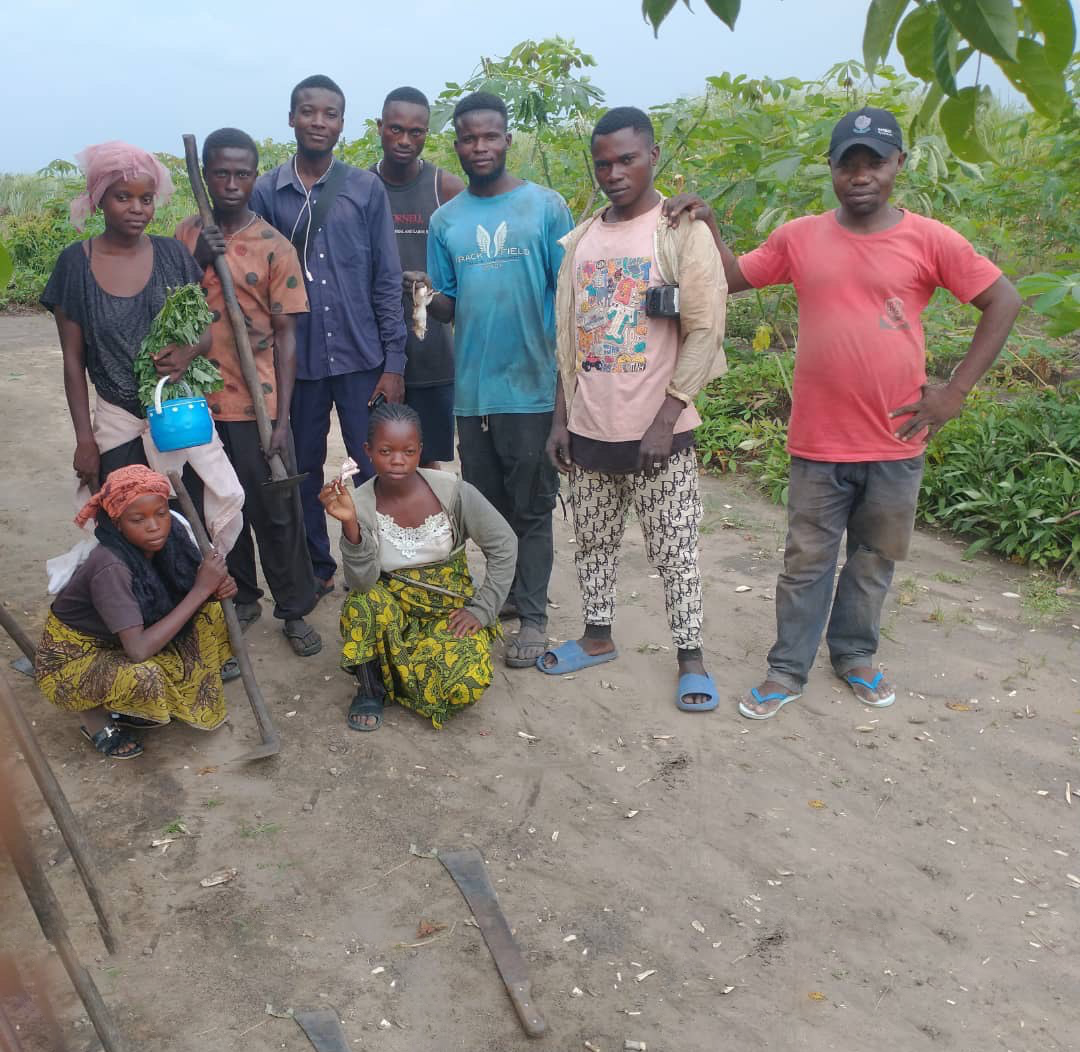
The COVID-19 pandemic, world events and their many consequences — together with the farming potential of the DR Congo — settled the matter unanimously: an organic, semi-industrial farm, employing local staff, serving Monielo's core purpose, which is to give widowed or abandoned mothers the means to stand on their own, so they can provide for their children's schooling and their needs.
- MONIELO has acquired two sites, of 14 and 10 hectares, on the Batéké Plateau.
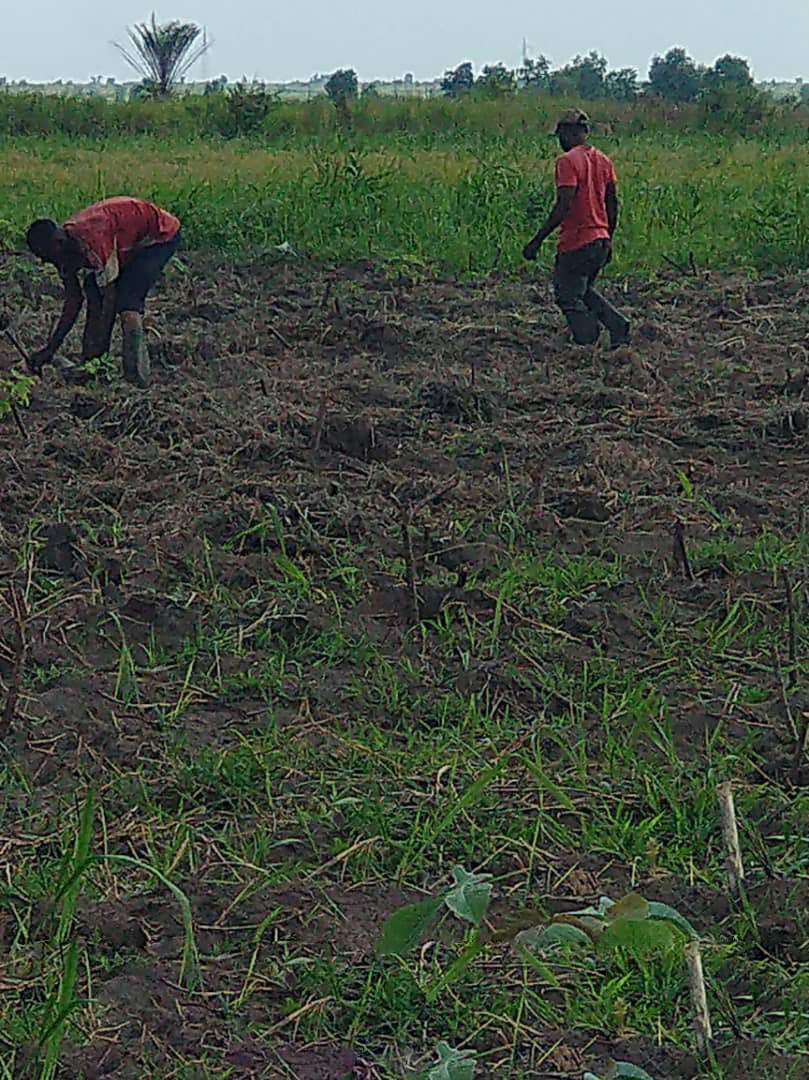
- La ferme a démarré sur 4 hectares avec la production : de maïs et de manioc
- The first two years were given over to learning, and to building farming skills
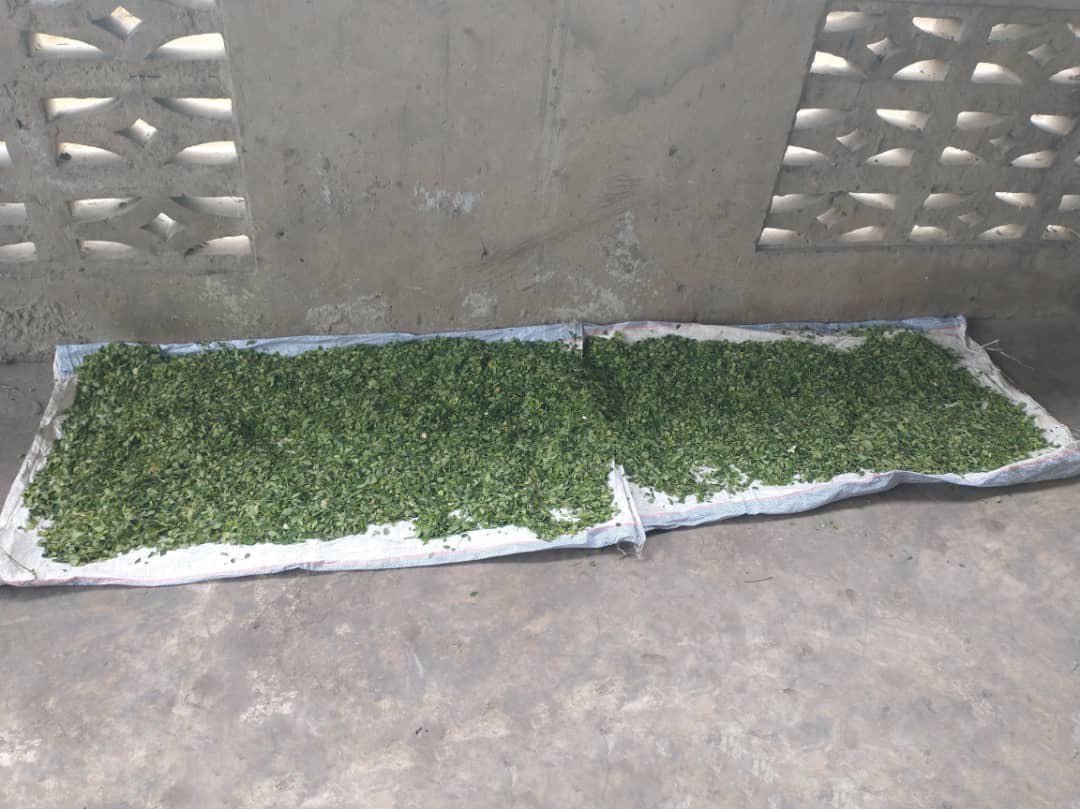
- From 2025 the project enters a new phase: processing, a cooperative, and more.
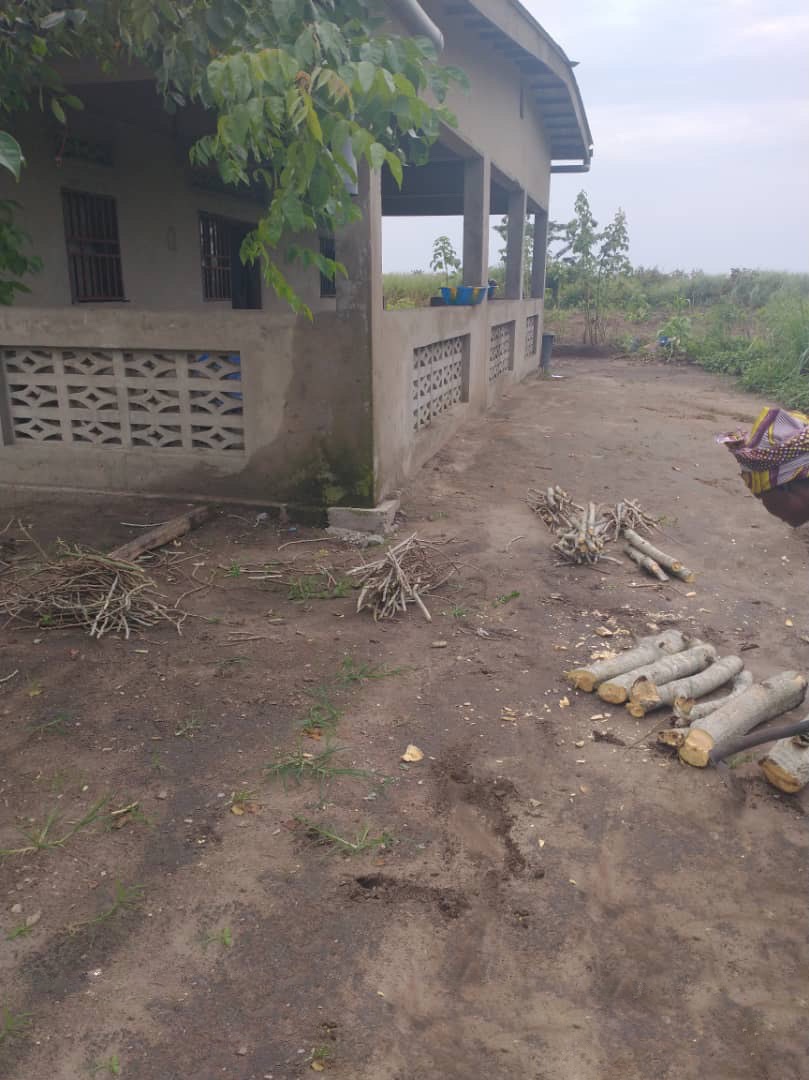

The cooperative
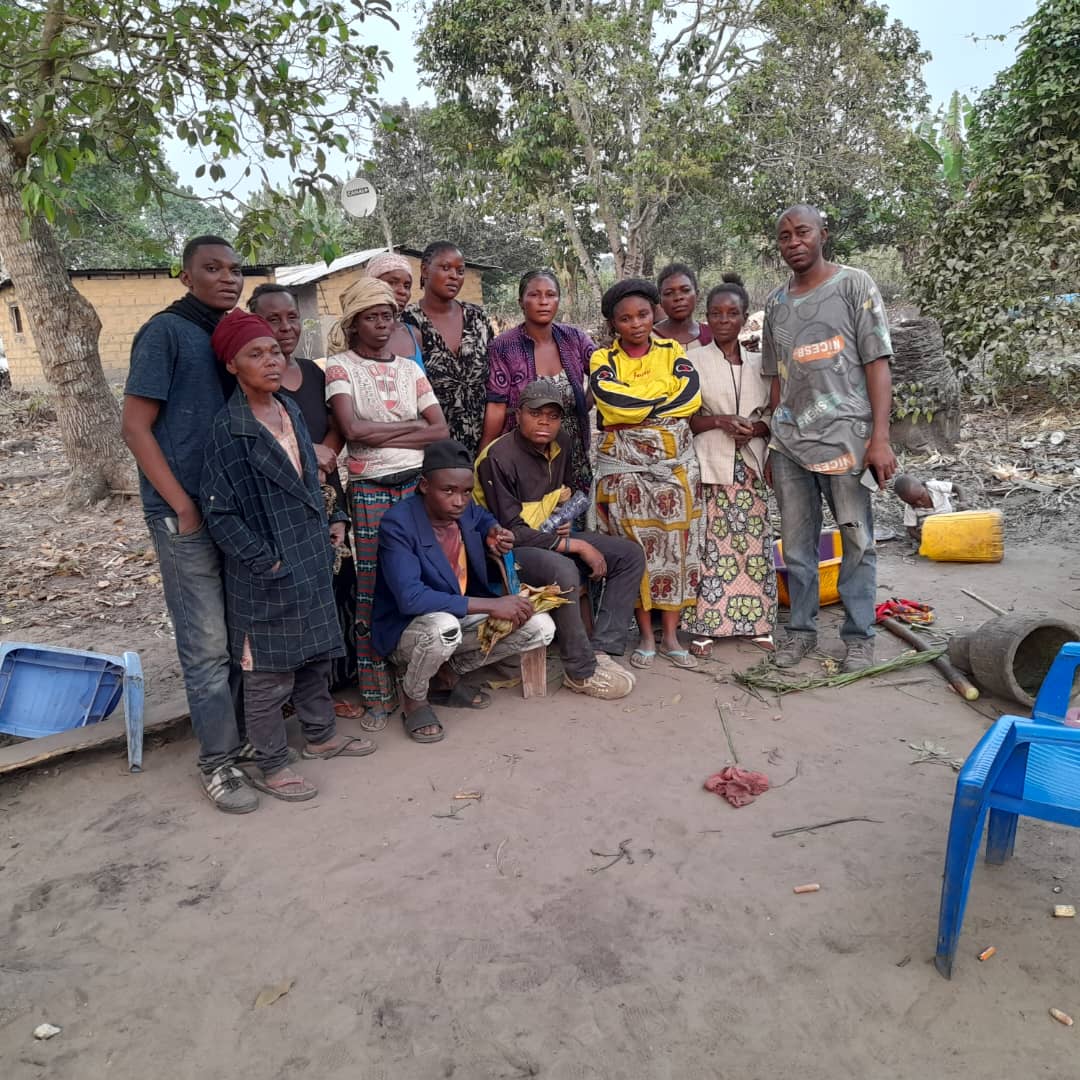
The cooperative Les Femmes Fortes — the Strong Women — will carry a wider economic project, so that these women can sell what they grow without anxiety and, wherever possible, process it and add value to it.
Looking for ways to address women's poverty, we turned to the farmland available around Kinshasa. In the outlying areas of the city, where most people live rurally, women carry much of the economic and social weight.
The cooperative will allow them to learn new skills, to master new techniques, and to be paid properly for their work.
Cette initiative pourrait faciliter les échanges. Chaque année en effet, plusieurs tonnes de manioc sont perdues faute de moyens de transformation et d’évacuation. A travers la coopérative « Les Femmes Fortes – LFF », cette production sera achetée aux producteurs et productrices à un prix concurrentiel, car destinée à être transformée.
A further aim of the cooperative is to give women the means to raise their incomes through better techniques — growing more, processing more, and selling more cassava products (chikwangue, cassava flour, gari and the rest),